Source Dental Handpiece for Pediatric, Surgical, and General Use
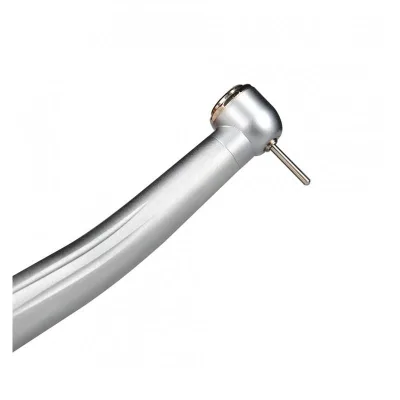
Explore 30 dental handpiece options for pediatric, surgical, and general applications. Compare high-speed and low-speed models with ceramic or ball bearings, varying head diameters, and quick connector types to find the right fit for your clinic; compare the available evidence and request quotations based on your requirements.
Key considerations
Products List




Comprehensive Sourcing Guide
Dental Handpiece Sourcing Guide
Sourcing dental handpieces requires a nuanced understanding of clinical requirements, mechanical durability, and regulatory compliance. These precision instruments are critical for both diagnostic and therapeutic procedures, serving a wide range of patients from children to adults. Buyers must distinguish between high-speed and low-speed variants, as each serves distinct clinical functions. High-speed units typically utilize air turbines for cutting enamel and dentin, while low-speed models often employ gear-driven mechanisms for polishing, finishing, or surgical tasks. The selection process begins with identifying the specific clinical workflow needs, ensuring that the chosen handpiece aligns with the dentist’s operational habits and patient care standards.
Beyond basic functionality, the sourcing strategy must account for the longevity and maintenance of the equipment. Modern handpieces are engineered with advanced bearing systems, such as ceramic or high-quality ball bearings, to ensure smooth rotation and extended service life. Buyers should also consider customization options, as many manufacturers offer tailored solutions for specific clinic branding or unique procedural requirements. Understanding the material composition, typically stainless steel for durability and corrosion resistance, is essential for maintaining hygiene standards. A thorough evaluation of these factors ensures that the procurement decision supports both clinical excellence and long-term operational efficiency.
Product Scope and Observed Listing Signals
The current market landscape for dental handpieces reveals a diverse array of specifications tailored to different clinical applications. Listings indicate a price range from approximately $1.90 to $140.00 USD, reflecting variations in quality, brand, and technical features. Minimum order quantities (MOQ) typically range from one to fifty units, offering flexibility for both individual practitioners and large clinics. These signals suggest a competitive market with options for single-unit purchases as well as bulk procurement. Buyers should interpret these ranges as indicative of the broader market rather than fixed prices, as final costs depend heavily on negotiated terms and specific configuration requirements.
Observed product attributes highlight significant diversity in design and performance capabilities. For instance, some models feature internal exhaust and inner channel waterways, while others utilize external channels and outer water spray types. Bearing types vary from ceramic to German-made ball bearings, impacting both performance and cost. Additionally, head diameters are categorized as small or middle, and bur types include specific dimensions like 1.6mm FG or 2.35mm. These variations necessitate careful review of technical sheets to ensure compatibility with existing dental equipment. Buyers must verify that the selected handpiece matches their clinic’s existing bur systems and water delivery protocols to avoid operational disruptions.
Technical Specifications to Verify
Verifying technical specifications is paramount to ensuring clinical efficacy and equipment compatibility. Buyers must confirm the rotating speed class, distinguishing between high-speed handpieces capable of up to 420,000 RPM and low-speed units operating around 40,000 RPM. The gear ratio, often 1:1 for low-speed applications, directly influences torque and control during procedures. Additionally, the bur type compatibility, such as HP Bur or FG Bur, must be explicitly stated to prevent mismatches. The head diameter, whether small or middle, affects access to different areas of the oral cavity. These parameters are not interchangeable; selecting the wrong specification can lead to inefficient treatment or potential damage to the patient’s teeth.
Further technical verification involves examining the physical dimensions and weight of the handpiece. Net weights observed range from 56g to 180g, influencing user fatigue during extended procedures. The head size, specified in millimeters, must fit comfortably within the patient’s mouth while allowing precise maneuverability. Features such as the presence or absence of a quick connector, light source options, and air jet configurations also play a crucial role in clinical workflow. For example, some models include a 20-degree head angle for surgical applications, while others are designed for general use. Buyers should request detailed dimensional drawings and weight specifications to ensure ergonomic suitability for their dental team.
Compliance and Safety Documentation
Compliance with international standards is non-negotiable for dental handpieces, given their direct contact with patients and use in sterile environments. Buyers must verify that products hold recognized certifications such as CE, ISO, and potentially TUV. These certifications indicate that the manufacturer adheres to strict quality management and safety protocols. Documentation should include test reports demonstrating the handpiece’s ability to withstand sterilization cycles without degradation. Buyers should request copies of these certificates and verify their validity with the issuing bodies. This step is critical for mitigating legal risks and ensuring that the equipment meets the regulatory requirements of the destination market.
Safety features extend beyond certification to include design elements that protect both the patient and the operator. The water spray type, whether inner or outer, must be designed to prevent aerosol contamination and ensure effective cooling during high-speed operations. Similarly, the exhaust way, internal or external, should be engineered to minimize backflow and maintain a clean clinical environment. Buyers should also check for the presence of anti-reverse valves and other safety mechanisms that prevent contamination of the water supply. Understanding these safety features helps in selecting handpieces that not only perform well but also contribute to a safer overall clinical practice.
Cost Drivers and Commercial Terms
Understanding the factors that influence pricing is essential for effective budget management. The cost of dental handpieces is driven by material quality, bearing type, and manufacturing precision. Stainless steel construction is standard, but the grade of steel and the quality of bearings, such as ceramic versus standard ball bearings, significantly impact the price. Customization options, including branding and specific configuration adjustments, may incur additional fees. Buyers should also consider the packaging details, as bulk packaging can reduce per-unit costs. Negotiating volume discounts based on the observed MOQ ranges can lead to substantial savings for clinics with high turnover or expansion plans.
Commercial terms, including payment methods and shipping logistics, also affect the total cost of ownership. Buyers should clarify whether the listed prices include shipping, taxes, and duties. Lead times can vary based on customization requirements and stock availability, so it is crucial to align procurement schedules with clinical needs. Warranty terms and after-sales support are equally important, as they provide protection against defects and ensure long-term usability. Buyers should seek suppliers who offer comprehensive warranty coverage and accessible technical support. Clear communication regarding these terms helps in avoiding hidden costs and ensures a smooth procurement process.
Supplier Qualification and Quality Control
Supplier qualification is a critical step in ensuring the reliability and consistency of dental handpiece supplies. Buyers should assess the supplier’s manufacturing capabilities, including their production facilities and quality control processes. Suppliers located in established manufacturing hubs, such as Guangdong, China, often have access to advanced technology and skilled labor. However, buyers must verify the supplier’s track record and reputation in the industry. Requesting references or case studies from other dental clinics can provide insights into the supplier’s reliability. Additionally, checking for any history of product recalls or quality issues is essential for risk mitigation.
Quality control measures should be explicitly defined and agreed upon before placing orders. Buyers should request samples for thorough testing before committing to large orders. These samples should be evaluated for performance, durability, and compliance with specified technical parameters. Implementing a rigorous inspection process upon receipt of goods is also recommended. This may include visual inspections, functional tests, and verification of packaging integrity. Establishing a clear protocol for handling defective items and requesting replacements ensures that the clinic maintains a high standard of care. A proactive approach to supplier qualification and quality control minimizes disruptions and enhances patient satisfaction.
Long-Term Procurement Checks
Long-term procurement success depends on continuous monitoring of product performance and supplier reliability. Buyers should establish a system for tracking the lifespan and maintenance needs of each handpiece. Regular maintenance, including lubrication and sterilization, is crucial for extending the service life of these precision instruments. Buyers should ensure that their staff is trained in proper handling and maintenance procedures to prevent premature wear. Additionally, keeping a record of any issues or defects can help in identifying patterns and addressing them with the supplier promptly. This proactive approach helps in maintaining a consistent supply of high-quality equipment.
Reviewing supplier performance periodically is also essential for maintaining a strong partnership. Buyers should assess the supplier’s responsiveness, delivery times, and after-sales support. Regular feedback sessions can help in identifying areas for improvement and strengthening the relationship. As technology evolves, buyers should stay informed about new developments in handpiece design and functionality. This knowledge can inform future procurement decisions and ensure that the clinic remains at the forefront of dental care. By maintaining a strategic approach to long-term procurement, buyers can ensure that their clinic is equipped with the best tools for delivering exceptional patient care.
FAQs
What certifications do these dental handpieces hold?
The dental handpieces hold CE and ISO certifications, with some models also featuring TUV certification. These credentials ensure compliance with international safety and quality standards for medical devices. Buyers can verify specific certification details for each model, such as the Degree Surgical Handpiece or the 201C6, to confirm regulatory adherence for their local market requirements.
Can these handpieces be customized for specific needs?
Yes, customization is available for these dental handpieces. Manufacturers offer tailored solutions to meet specific clinical or operational requirements. This flexibility allows buyers to adjust features or specifications according to their practice needs. Customization options ensure that the equipment aligns precisely with the intended application, whether for child or adult use, enhancing overall utility and performance.
What is the maximum speed of the high-speed handpiece?
The high-speed handpiece reaches a maximum speed of 420,000 RPM. This model, identified as 201C6, is designed for efficient cutting and preparation tasks. It features German bearings and an internal exhaust system. The high rotational speed ensures precision and reduces procedure time, making it suitable for demanding dental applications requiring rapid and accurate material removal.
Which bur types are compatible with these handpieces?
Compatible bur types include 2.35 mm FG burs and HP burs with a 44.5 mm length. The 202S2B model supports 2.35 mm burs, while the Degree Surgical Handpiece accommodates HP burs. These options provide versatility for various dental procedures. Selecting the correct bur type ensures optimal performance and compatibility with the specific handpiece model and its designated head diameter.
How are these handpieces packaged for shipment?
Each handpiece is packed individually in a box, with ten pieces per carton. This packaging method protects the equipment during transit and simplifies inventory management. The standard box dimensions are 20x20x10 cm or 30x20x10 cm, depending on the model. This organized approach ensures safe delivery and easy handling for both suppliers and end-users receiving the dental equipment.